Ealing Broadway removals guide for narrow streets
Posted on 19/06/2026
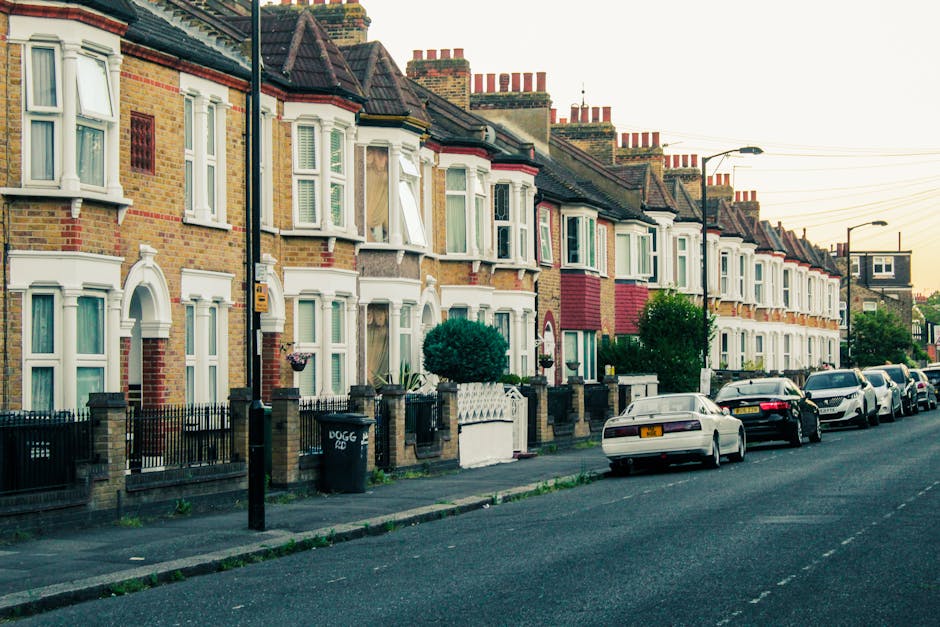
Moving in Ealing Broadway sounds straightforward until you meet the streets themselves. Tight turns, parked cars on both sides, awkward loading spots, and the sort of little access problems that only seem obvious on moving day. This Ealing Broadway removals guide for narrow streets is designed to help you plan properly, move safely, and avoid the usual headaches that catch people out at the last minute.
If you are shifting from a flat above a shop, a maisonette tucked down a side road, or a family home on a narrower residential street, the challenge is not just lifting boxes. It is timing, vehicle choice, parking, communication, and making sure the move works in the real world, not just on paper. Let's face it, a removal can go smoothly or it can become a long day of "we'll just reverse a bit more" and "can someone move that car?".
In this guide, you will find practical steps, local-minded advice, and a realistic look at what matters most when moving around Ealing Broadway's tighter roads. You will also see where services like man and van support in Ealing, flat removals in Ealing, and packing and boxes help can make a cramped move much less stressful.

Why Ealing Broadway removals guide for narrow streets Matters
Narrow streets change the moving process in a very practical way. In a wider area, a removals team can usually park close to the property, load efficiently, and get on with the job. Around Ealing Broadway, that may not be possible. A van might need to stop further away. A staircase may be tight. There may be limited space for carrying larger furniture through hallways, or nowhere safe to keep the vehicle while loading.
That matters because every extra metre, every awkward turn, and every extra minute adds friction. A narrow street move is still perfectly manageable, of course, but it rewards planning. People often underestimate how long loading takes when the vehicle cannot sit right outside. They also forget how quickly a "small" issue becomes a big one once you have two sofas, a mattress, and a box of kitchenware waiting on the pavement.
For local moves, especially from flats and terraces, the main aim is to reduce unnecessary handling. The less often an item is moved, turned, lifted, or carried up and down again, the safer and faster the day tends to be. That is why detailed preparation matters more here than in a standard straightforward move.
There is also a trust element. When you understand the constraints in advance, you are in a far better position to compare options and ask the right questions. If you want a wider overview of service types, the services overview is a helpful place to start, especially if you are still deciding between a full removals service and a lighter man-and-van style approach.
How Ealing Broadway removals guide for narrow streets Works
Moving on narrow roads is a bit of a choreography problem. The property, the road layout, the vehicle, the crew, and the timing all have to work together. The process usually begins with a proper look at access: where the van can stop, how far items will need to be carried, whether there are steps or a basement entrance, and whether large furniture can be brought out without damage.
From there, the move is planned around vehicle size and route. Sometimes a smaller vehicle is a better fit than a large removal lorry because it is easier to position and less disruptive to neighbours. In other cases, the answer is not a tiny van at all, but careful scheduling and a larger crew that can handle the distance from door to vehicle efficiently.
Pre-move packing matters too. Boxes that are sealed well, labelled clearly, and stacked sensibly reduce the number of trips and the chance of delay. If you have fragile items, awkward lamps, mirrors, or heavy books, you want those grouped thoughtfully rather than thrown into random boxes the night before. Truth be told, that last-minute rush is where most avoidable problems begin.
A sensible removal plan for narrow streets also considers timing. Early starts can help with parking availability. Off-peak loading may reduce pressure from traffic. And in some cases, a move that looks difficult during lunchtime traffic becomes noticeably easier at a calmer point in the day. Small difference, big result.
If you are moving a smaller household load or just a few larger items, a specialised service such as removal van services in Ealing may suit the situation well. For bigger home relocations, house removals in Ealing is more appropriate, particularly where furniture, access, and time all need proper coordination.
Key Benefits and Practical Advantages
When you plan a narrow-street move properly, the benefits are more than just "less stress", though that alone is worth something. You gain control over the day. You reduce the risk of damage. You make life easier for the crew and for neighbours. And you usually save time, which often translates into a smoother overall experience.
- Less handling of furniture: Better planning means fewer unnecessary lifts and turns.
- Reduced risk of scratches and dents: Tight spaces are where walls, doors, and corners get caught out.
- Improved parking efficiency: The right vehicle and timing can make a big difference.
- Better neighbour relations: A tidy, organised move is less disruptive on a narrow road.
- Clearer cost control: Fewer surprises usually means fewer last-minute complications.
Another advantage is decision-making clarity. Once you know the local access issues, it becomes easier to decide whether you need a full team, a smaller vehicle, short-term storage, or extra packing support. For example, if your new place is not ready yet, it can be sensible to combine moving with storage options in Ealing rather than trying to cram everything into an awkward same-day transfer.
That kind of planning tends to pay off twice: once on moving day, and again the next morning when you are not staring at an impossible pile of boxes wondering why you thought a single trip would solve everything.
Who This Is For and When It Makes Sense
This guide is for anyone moving in or around Ealing Broadway where road width, parking, and access are genuine constraints. That includes people leaving upper-floor flats, tenants in converted houses, small families in terraces, and anyone shifting furniture through older streets where kerb space is limited.
It is especially useful if:
- your property has no private driveway
- the nearest parking space is not directly outside
- large items need to be carried through a narrow hallway or stairwell
- you are moving during busy traffic periods
- you have fragile, oversized, or unusually heavy belongings
- you are unsure whether a full removals team or a smaller vehicle is better
The guide also makes sense for students and renters who are moving between flats and need a practical, not overcomplicated solution. If that sounds like your situation, the student removals service can be a useful fit, especially when there are a few heavy bags, boxes, and one questionable desk that has somehow survived three house moves already.
Businesses are not exempt either. Small office relocations in tight streets can be surprisingly awkward, particularly when there is equipment, filing, or time pressure involved. In those situations, office removals in Ealing may be more suitable than trying to improvise with a casual transport plan.
Step-by-Step Guidance
A narrow-street move goes much better when you break it down into practical stages. Keep it simple. Keep it realistic.
- Check access early. Walk the route from your front door to the nearest feasible parking point. Note steps, low walls, bollards, bins, and anything else that could slow the move.
- Measure the bulky items. Sofas, wardrobes, beds, and appliances need proper measuring. Doors and stair turns matter more than people expect.
- Choose the right vehicle size. A vehicle that is too large can create more problems than it solves. A vehicle that is too small can mean multiple runs. Neither is ideal.
- Pack by priority and fragility. Heavy items should go in smaller boxes. Delicate items should be cushioned well and clearly marked.
- Confirm parking or loading arrangements. Even if formal parking suspension is not required, you still need a practical loading plan. This part is often overlooked. Oddly enough, it is also the part that causes the most grumbling on the day.
- Schedule smartly. Aim for a time when traffic and street congestion are likely to be lower. If you can avoid the busiest hour, do so.
- Protect floors, corners, and furniture. Narrow access means a higher chance of bumps. Covers, blankets, and wraps are not optional extras.
- Keep essentials separate. One bag for keys, paperwork, chargers, water, snacks, and a change of clothes can save a lot of digging later.
- Brief everyone involved. Tell the team about the awkward bit before it becomes the awkward bit. Honestly, that one conversation can save half an hour.
If you want extra help on packing, materials, and box planning, packing and boxes support can make the overall process much easier. A well-packed move is a calmer move, simple as that.
Expert Tips for Better Results
In our experience, the best narrow-street moves are the ones that treat the access problem as a logistics task, not a last-minute inconvenience. Here are the habits that make a real difference.
Use smaller, smarter loads
Instead of filling every box to the brim, think about liftability. A box that is slightly smaller and easier to carry is often better than one giant heavy cube that nobody enjoys picking up. Your back will thank you. Your mover will too.
Prepare a "hold zone" inside the property
If the front door is tight, create a clear staging area just inside the entrance. That way, the team can move items from rooms to the door in a controlled flow rather than creating a bottleneck right where space is worst.
Keep pathways honest
One small chair left in the hallway can become a moving-day obstacle. It sounds obvious, but narrow streets and narrow interiors tend to magnify tiny mistakes. Clear routes from top floor to exit before the first item is carried.
Ask about experience with similar streets
Not every moving job is the same. A team familiar with tight residential roads, flats, and awkward access can often make sensible calls faster. If you are comparing providers, removal companies in Ealing is a useful page to browse alongside the rest of your planning.
Do not overfill the van
Maxing out the vehicle can cause loading delays and awkward reshuffles. Sometimes a slightly less packed van, but one that allows cleaner movement and safer stacking, is the better choice. It is not the glamorous answer, but it is the sensible one.
Keep communication short and direct
On moving day, simple instructions work best: what goes first, what stays upright, what is fragile, what needs extra care. Nobody needs a speech. Just clear direction and a calm tone.
Common Mistakes to Avoid
The same mistakes come up again and again, usually because people are already busy and trying to be practical. Fair enough. But a few of them are easy to avoid once you know what to look for.
- Assuming parking will be easy: On a narrow street, parking is rarely "easy" by default.
- Picking the wrong vehicle size: Bigger is not always better.
- Leaving packing until the final evening: That is how fragile items get rushed.
- Ignoring stairwell and doorway measurements: The wardrobe that fits in the room may still get stuck on the way out.
- Forgetting to tell neighbours: A little courtesy helps with access and goodwill.
- Not setting aside essentials: Keys, medication, chargers, and documents should not disappear into a random box.
- Underestimating loading time: If the van is parked further away, every trip takes longer.
A smaller but still common problem is assuming all removal services are interchangeable. They are not. Some moves suit a light-touch transport approach, while others need full packing, handling, and careful furniture protection. If you are trying to figure out which route makes the most sense, the broader removal services in Ealing page helps frame the options without overcomplicating things.
And yes, sometimes people try to "just wing it". That can work for a suitcase and a kettle. Not so much for a sofa down a narrow road.
Tools, Resources and Recommendations
You do not need a huge kit bag to move well, but a few tools and practical aids make the job much smoother.
- Measuring tape: Essential for doors, furniture, hallways, and stair turns.
- Furniture blankets and wraps: Useful for protecting edges and surfaces.
- Strong tape and clear labels: Helps with fast unloading and room placement.
- Dolly or trolley: Helpful when items need to be moved over a longer carry distance.
- Box cutters and basic tools: Handy for dismantling beds, tables, or shelving.
- Storage boxes in a few sizes: Better than having every box the same size and shape.
Some moves also benefit from additional support around special items. If you have large wooden furniture that needs careful handling, furniture removals in Ealing is a relevant service to look at. If there is a piano involved, that is a different level altogether. A piano on a narrow road can quickly become a very expensive lesson in patience, so piano removals in Ealing is worth considering rather than improvising.
For a clear sense of how the company approaches broader move planning, you can also review the about us page and the insurance and safety information. Those pages are useful when you want reassurance about professionalism, not just marketing talk.
Law, Compliance, Standards and Best Practice
For narrow-street removals in London, the most important thing is to stay sensible and respectful of local rules and road use. That means thinking carefully about parking, access, pedestrian safety, and any restrictions that may affect the day. Councils can have different local arrangements, so it is always wise to check what applies to your exact street rather than relying on guesswork.
Best practice usually includes:
- making sure the vehicle is parked legally and safely
- keeping footpaths clear where possible
- avoiding obstruction of residents, emergency access, or deliveries
- using safe lifting methods for heavy or awkward items
- protecting property with suitable coverings and handling equipment
- working with a provider that is insured and follows sensible safety procedures
If you are comparing companies, look for clear policies rather than vague claims. For example, published information about health and safety policy, terms and conditions, and payment and security can help you judge how seriously a business takes its responsibilities.
There is also a practical trust angle here. A company that is clear about handling, dispute resolution, and responsible operations usually makes the moving process feel calmer. If something does go wrong, a visible complaints procedure is another sign that the business is organised enough to deal with real-world issues, not just glossy promises.
Options, Methods and Comparison Table
Not every move in a narrow street needs the same solution. The best approach depends on volume, access, and how much help you want. Here is a simple comparison that may help.
| Option | Best for | Advantages | Trade-offs |
|---|---|---|---|
| Man and van | Small flats, a few bulky items, flexible moves | Simple, flexible, often easier on narrow streets | Less capacity than larger vehicles |
| Full removals team | Family homes, larger loads, more fragile items | More hands, faster loading, better support | Can need more access coordination |
| Combined moving and storage | Delayed completion dates or reduced space | Reduces pressure on moving day | Requires planning and an extra step |
| Same-day move | Urgent relocations or short notice changes | Fast response, useful in time-sensitive situations | Less margin for error if access is tight |
For many narrow-street jobs, the sweet spot is a smaller, well-organised vehicle with a crew that knows how to work efficiently. That does not mean "small" in a careless sense. It means a setup that matches the street, the load, and the pace of the move. If you need same-day flexibility, same-day removals in Ealing may be worth exploring, but only if the access and packing are already under control.
And if you are simply trying to move a few items without a full house relocation, man with a van in Ealing can be a practical middle ground. It is not always the cheapest in the abstract, but it is often the most suitable. Suitability matters.
Case Study or Real-World Example
Picture a typical Ealing Broadway move: a top-floor flat on a side street, no driveway, a sofa that just about fits through the front door, and a fridge that is heavier than it has any right to be. The resident has packed most of the smaller items well, but the access is tight, and the van cannot sit immediately outside for long.
In a situation like this, the best outcome usually comes from a few sensible choices. First, the move is scheduled earlier in the day, before traffic builds up. Second, the larger furniture is measured in advance so there are no surprises at the door frame. Third, the packing is organised into smaller, clearer loads so the carry distance from property to vehicle is manageable.
What makes the difference is not any one dramatic trick. It is the combined effect of preparation, realistic vehicle choice, and calm execution. One crew member handles the exit path. Another keeps the van loading area organised. The resident knows where essentials are packed. The process feels methodical rather than frantic. A little unglamorous, perhaps, but very effective.
That kind of move is also where helpful extras matter. If the property needs a temporary holding place for items before completion, storage can save the day. If there are only a handful of pieces, a smaller vehicle can be easier than a large truck. If the house is full of mixed furniture, proper wrapping can prevent minor damage that otherwise becomes a nuisance later.
Sometimes the move does not need to be heroic. It just needs to be well planned.
Practical Checklist
Use this checklist before moving day. It is simple on purpose.
- Measure the largest furniture and note door widths
- Check the likely parking or loading point
- Confirm whether access is suitable for the chosen vehicle
- Pack fragile items separately and label them clearly
- Set aside essentials for the first 24 hours
- Tell neighbours about the move if street space may be affected
- Protect floors, door frames, and corners
- Disassemble bulky furniture where appropriate
- Make a plan for storage if dates do not line up neatly
- Review insurance and handling arrangements before booking
- Keep keys, documents, and chargers in one easy-to-find bag
- Allow extra time. Always a bit more than you think.
If you want a clearer picture of how a provider works across different move types, you can also explore removals in Ealing and house removals in Ealing to match the level of service to the size of your move.
Conclusion
Narrow streets do not have to turn a move into a drama. They just ask for better planning, calmer timing, and the right kind of moving support. If you understand access, choose a suitable vehicle, pack carefully, and communicate clearly, you can make an Ealing Broadway move feel surprisingly manageable.
For most people, the real win is not speed alone. It is a move that feels controlled, safe, and free from the usual last-minute scramble. That is especially true in streets where every parked car and tight corner seems to have its own opinion.
Get a free quote today and see how much you can save.
If you are ready to take the next step, start with the basics, compare your options, and choose the support level that fits your access, your schedule, and your budget. A well-planned move is a kinder start to your new place. And that matters more than people admit.