Walpole Park flat removals and stair access advice Ealing
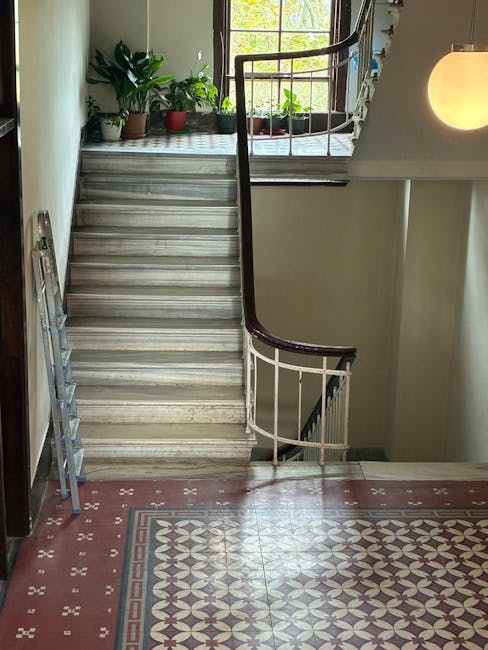
Moving out of a flat near Walpole Park can feel deceptively simple until you meet the stairs, the tight landing, the awkward turn at the top, and the realisation that your sofa is suddenly too wide for common sense. If you are planning Walpole Park flat removals and stair access advice Ealing, the smartest move is to think about access before moving day, not during it. That means checking stair widths, lift availability, parking, carrying distance, and how the furniture will actually get out without a scrape or a last-minute panic.
This guide walks through the practical side of flat removals in Ealing, with a focus on stair access, planning, safety, and the little details that save time and stress. It is written for people who want a realistic picture, not a glossy one. Because let's face it, the stairs never look as steep in daylight as they do when you are carrying a mattress.
Why Walpole Park flat removals and stair access advice Ealing Matters
Flat moves are different from house removals. The space is often tighter, the access is less forgiving, and the timing matters more. Around Walpole Park and wider Ealing, you may be dealing with period buildings, shared stairwells, limited on-street space, or residents who are trying to go about their day while you shift a bedframe through the communal hall. None of that is a deal-breaker, but it does change the plan.
Stair access advice matters because stairs affect almost every part of the move: the number of people needed, the type of van, whether items should be dismantled, and how long loading will take. A simple one-bed flat can become a much bigger job if the staircase is narrow or twists sharply. In our experience, the difference between a smooth move and a fraught one is usually planning, not muscle.
It also matters for safety. Heavy items taken down stairs without preparation can damage walls, banisters, floors, and the item itself. Worse, a rushed carry can cause injury. If you are arranging a move in the area, reviewing health and safety guidance and insurance and safety information is a sensible first step, especially if you have bulky furniture or valuable items.
How Walpole Park flat removals and stair access advice Ealing Works
The process usually starts with access questions. A good removals plan asks: how many flights of stairs are there, are the stairs straight or curved, is there a lift, how wide are the doorways, and where can the van stop? Those details sound small, but they are what shape the whole move.
From there, the removal team can decide on the right vehicle and crew size. For lighter flat moves, a smaller vehicle such as a man and van or man with a van setup may be suitable. For larger flats, multiple rooms, or furniture that needs careful handling, a more substantial moving truck may make the job faster and safer.
The team will normally protect floors, wrap vulnerable items, and map out the route from the flat to the vehicle. That route includes staircases, hallways, any lift, the building exit, and the street outside. If the access is awkward, items may need to be dismantled in advance, or carried in smaller sections. That is not a sign of difficulty; it is just good practice.
Here is the simple truth: stairs add time. They also add risk. So if you are booking flat removals, describe the access honestly. If the stairs are steep, if there is no lift, if parking is a bit of a walk away, say so. It helps everybody.
Key Benefits and Practical Advantages
When stair access is planned properly, the move usually feels calmer, quicker, and far less messy. You are not improvising at the last minute, and the removal team can work with a clear route and the right equipment.
- Less risk of damage: walls, stair edges, and furniture are less likely to get knocked or scraped.
- Faster loading and unloading: a team that knows the route can move with rhythm rather than hesitation.
- Better crew planning: the right number of people can be assigned for heavier or awkward items.
- Fewer surprises on moving day: no one wants to discover the sofa will not fit round the landing after the van has arrived.
- More confident handling of delicate items: mirrors, glass, and furniture with fragile legs can be managed more carefully.
There is also a less obvious benefit: confidence. When you know the access has been checked, you can focus on the bits that actually need your attention, like keys, final bills, and remembering where you put the kettle. That tiny sense of order makes a real difference.
If you are moving with children, pets, or a strict time window, good access planning becomes even more valuable. It gives you a clearer schedule and reduces the chance of a long, stressful wait while everyone stands around trying to angle a wardrobe through a doorway that was always too narrow in the first place.
Who This Is For and When It Makes Sense
This advice is for anyone moving out of, or into, a flat near Walpole Park, especially where stairs are part of the journey. It is useful whether you are in a studio on an upper floor, a family flat with a long staircase, or a converted property where the layout is charming but not exactly removal-friendly.
It makes particular sense if:
- you live above ground level and have no lift;
- your furniture includes bulky items such as wardrobes, sofas, beds, or a piano;
- the building entrance is shared with other residents;
- parking near the property is tight or restricted;
- you are moving on a deadline and need the job done efficiently;
- you want a smoother handover with fewer chances of wall damage or delays.
Students and renters often need this kind of support when tenancy dates do not line up neatly. In those cases, storage can help bridge the gap. The same goes for anyone renovating or waiting for completion dates. A temporary storage option can take pressure out of the move.
Truth be told, the people who benefit most are usually the ones who thought they only had a "small" move. Small moves can be surprisingly fiddly. One sofa. One wardrobe. Two flights of stairs. That is enough to make access planning worthwhile.
Step-by-Step Guidance
Use this as a practical sequence for planning a flat move with stair access in Ealing.
- Measure the access route. Check stair width, bannister shape, doorway clearance, ceiling height on landings, and whether any corners are tight.
- List the bulky items. Sofas, divan beds, wardrobes, appliances, mirrors, desks, and anything awkwardly shaped should be noted early.
- Decide what should be dismantled. Flat-pack furniture, beds, and some wardrobes often move more safely in pieces.
- Check parking and stopping space. The shorter the carrying distance from door to van, the easier the job tends to be.
- Use proper packing materials. Strong boxes, tape, protective wrap, and labels reduce chaos later. If you need help, packing and boxes support can make life easier.
- Protect the property. Floor coverings, corner guards, and careful lifting technique help prevent damage.
- Confirm the move plan in advance. A clear schedule, contact number, and arrival window prevent crossed wires.
- Keep essentials separate. Documents, chargers, keys, medication, and one kettle's worth of sanity should not disappear into the van.
If you want help with both packing and unpacking, it may be worth looking at packing and unpacking services. For some people that is the difference between a move that feels done by evening and one that bleeds into the next day.
One small but useful habit: take photos of awkward furniture before the move. Not glamorous, I know. But it helps if you need to remember how something was assembled, or if there is a pre-existing mark you want to record.
Expert Tips for Better Results
A few small adjustments can make stair-heavy flat moves run much more smoothly.
- Start with the largest items first. If a sofa or mattress is difficult, move it while everyone still has energy.
- Use the right carry team size. Two people may be enough for light items, but larger furniture may need more hands and a better angle.
- Wrap edges before the move starts. Corners on wardrobes and tables are usually the first bits to suffer.
- Clear the stairwell. Shoes, umbrellas, plant pots, and stray parcels create avoidable trip hazards.
- Communicate every turn. A simple "step," "pause," or "right a bit" saves a lot of awkward shuffling.
Another good tip: don't underestimate daylight. Moving earlier in the day usually helps visibility on stair landings and reduces the chance of everyone getting tired before the tricky items are done. It sounds obvious, but you would be surprised how often a late start turns a manageable move into a slightly grumpy one.
If your flat move includes specialist or fragile items, you may want a provider used to handling them safely, such as furniture removals or even piano removals if there is something especially valuable and unwieldy involved.
Common Mistakes to Avoid
Most access problems are predictable. That is the annoying part, and also the reassuring part, because predictable problems can be prevented.
- Guessing the stair width. "It'll probably fit" is not a plan.
- Not mentioning a lift outage. If the lift is out, say so early. That changes the entire job.
- Leaving packing too late. Loose boxes and half-packed bags make stair carries slower and less safe.
- Forgetting about parking restrictions. Even a short carry can become a long one if the van has to park further away.
- Trying to move overstuffed boxes. Heavy boxes are harder to hold on stairs and more likely to split.
- Not checking building rules. Some flats have quiet hours, booked lift slots, or rules about protecting common areas.
There is also the classic mistake of keeping everything "just in case" until the last moment. We all do it. But unnecessary clutter makes flat removals harder than they need to be. If something is no longer needed, consider a separate furniture pick up or disposal solution before moving day.
And yes, if the big cupboard still contains random cables from three different jobs and an old candle, now is the moment to be ruthless. The cupboard will survive.
Tools, Resources and Recommendations
You do not need specialist gear for every move, but a few basic tools can make stair access far less awkward.
- Furniture blankets and wrap: help protect surfaces from knocks and scuffs.
- Ratchet straps: useful for securing items safely inside the vehicle.
- Dolly or sack truck: not always suitable on stairs, but helpful at ground level and for heavier boxes.
- Strong tape and labels: reduce confusion, especially when several people are moving at once.
- Door and floor protection: especially useful in older buildings with delicate finishes.
On the service side, a removal van can be a sensible option for smaller flat moves where access is tight and loading space is limited but efficient. For larger jobs, removal services can provide a more complete setup.
If your move is only a small load and stairs are the main issue, a flexible man with van arrangement may suit you better than a larger operation. If you need a broader, more structured move, a full removals service could be the better fit. Different jobs, different tools. Simple as that.
Law, Compliance, Standards, or Best Practice
For flat removals, the important thing is not legal complexity but careful practice. In the UK, moving teams are generally expected to work safely, protect property, and handle goods with reasonable care. That means using sensible lifting methods, avoiding unnecessary obstruction in shared spaces, and respecting building access rules where they apply.
There may also be building-specific requirements in Ealing flats or managed developments, such as booking lift slots, notifying management, or using protective coverings in communal areas. Those are not universal laws, but they are common best practice. If you ignore them, the day can get awkward very quickly.
Good removals work also involves appropriate insurance, clear terms, and transparent handling of customer data and payments. If you want reassurance on these basics, it is worth reading the site's terms and conditions, payment and security, and privacy policy. Those pages help set expectations before anyone lifts a box.
For a responsible approach, look for providers who also make their process clear, including how they approach recycling and reusable materials. The page on recycling and sustainability is a useful reference if you are trying to move with less waste.
Options, Methods, or Comparison Table
The right moving setup depends on the access, the volume, and how much help you actually want on the day. Here is a practical comparison.
| Option | Best for | Pros | Watch out for |
|---|---|---|---|
| Man and van | Smaller flat moves, single rooms, lighter loads | Flexible, usually efficient, good for tight access | May not suit many large items or complex access |
| Removal van with full service | Typical flat removals with furniture and boxes | Better structure, more support, safer for stairs | Needs clearer planning on access and parking |
| Moving truck | Larger flat loads or multiple rooms | More space, better for full-home style contents | Parking and loading access need to be checked carefully |
| Storage first, move later | Delayed completion, renovation gaps, or staggered moves | Takes pressure off the move date | Adds another step and requires organisation |
If you are between homes or waiting for a final handover, storage can be a calm, practical bridge. If the move is urgent, same day removals may also be worth asking about, provided the access and volume are realistic. Same-day jobs can be a lifesaver. They can also be a bit of a sprint, so honesty matters.
Case Study or Real-World Example
Imagine a typical one-bedroom flat near Walpole Park: second floor, no lift, a narrow stairwell, and a sofa that looked perfectly fine in the showroom. The move begins with a quick access check. The team notices the landing turn is tighter than expected and the sofa will need to be carried upright and rotated carefully.
The solution is simple but effective. The wardrobe is dismantled in advance, boxes are grouped by room, and the heaviest pieces are moved first while everyone is fresh. Floor protection is laid down, and one person is assigned to guide the carry at the stair corner. The van is parked as close as possible to reduce the carrying distance.
The result? Fewer pauses, fewer bruises to the walls, and a noticeably calmer move. Not perfect, because real moves rarely are, but smooth enough that the customer can find the kettle without digging through ten mystery boxes. That matters more than people admit.
If the same flat had been left with a huge unmeasured sofa, no dismantling, and a vague "we'll sort it on the day" attitude, the whole thing would almost certainly have taken longer. Maybe much longer. This is why stair access advice is so useful: it turns guesswork into a plan.
Practical Checklist
Use this checklist the day before your move, or even earlier if you can.
- Measure stairs, doorways, and landings.
- Confirm whether there is a lift and whether it works.
- Check where the van can park and how far items must be carried.
- List all bulky furniture and identify anything needing dismantling.
- Pack boxes securely and label them by room.
- Set aside essentials: keys, documents, chargers, medication, toiletries, and a first-night bag.
- Protect floors, corners, and vulnerable furniture surfaces.
- Tell the removal team about anything unusual: steep stairs, low ceilings, shared entrances, or time restrictions.
- Review pricing and quotes so you know what is included.
- Keep a clear path from the flat to the exit.
If your move also involves storing items, packing support, or clearing out old furniture, it may be worth combining services rather than spreading the job across too many separate days. A tidy plan tends to beat a heroic last-minute scramble. Every time.
Conclusion
Walpole Park flat removals are manageable when stair access is taken seriously from the start. Measure the route, be honest about the layout, choose the right vehicle and crew, and give yourself enough time to dismantle, protect, and pack properly. Those are the things that keep the day moving.
In a flat move, stairs are rarely the whole story, but they are often the part that decides whether the day feels organised or chaotic. A little planning up front can save a lot of frustration later, and usually a few scrapes too.
Get a free quote today and see how much you can save.
If you are preparing for a move in Ealing, take the access conversation seriously, trust the details, and give yourself the best chance of a calm, steady day. That is the kind of move people remember for the right reasons.
Frequently Asked Questions
Do I need stair access advice before booking a flat removal in Ealing?
Yes. Stair access affects crew size, equipment, timing, and whether larger items need to be dismantled. Even a modest flat can become tricky if the stairs are narrow or the landing turns sharply.
What if my flat near Walpole Park has no lift?
That is very common, and it is manageable. The key is to mention it early so the removals team can plan for extra carrying time and the right number of people.
Can a sofa or wardrobe go down a narrow staircase?
Sometimes yes, sometimes no. It depends on the exact dimensions, the shape of the stairs, and whether the furniture can be dismantled. If in doubt, measure carefully before moving day.
What should I tell the removal company before the move?
Tell them the number of flights, whether there is a lift, if parking is limited, and whether you have bulky items. The more accurate the access details, the better the plan.
Is a man and van service enough for a flat move?
For smaller loads, it often is. For larger flats or awkward stair access, a fuller removals setup may be safer and more efficient. It really comes down to volume and access.
Should I dismantle furniture before moving day?
If it is safe and practical to do so, yes. Beds, wardrobes, and shelving often move more easily in pieces. It can reduce damage and make stair carries much simpler.
How do I avoid damage to walls and banisters?
Use protective wrapping, keep the route clear, move slowly on corners, and make sure the team has enough space to turn items properly. Rushing is usually what causes damage.
What happens if parking is far from the building?
The move will take longer because items need to be carried further. That does not usually stop the move, but it should be factored into the schedule and quote.
Are same-day removals suitable for stair access jobs?
Sometimes, yes, if the job is small and the access is clear. Larger or more awkward moves are better planned in advance so the team can prepare properly.
What if I need temporary storage between flats?
Storage can be a very practical option if your move dates do not line up. It takes pressure off the day and gives you more flexibility, especially with larger furniture or delayed handovers.
How can I make moving day less stressful?
Pack early, label boxes clearly, keep essentials separate, and be honest about access. Small bits of organisation make a big difference when the stairs start working against you.
Where can I learn more about the company's approach to safety and service?
It is worth reviewing the company pages on about us and health and safety policy so you know how the service is structured before you book.