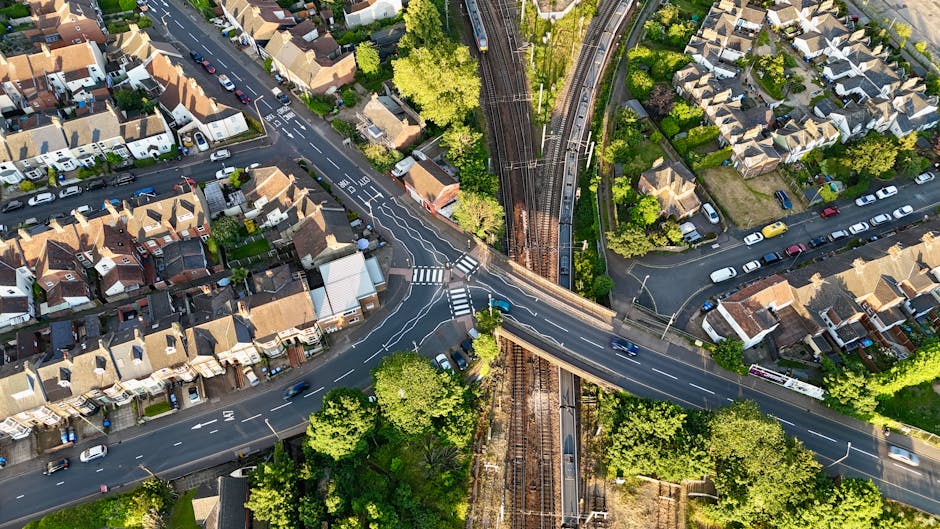
Moving into Mount Park Road access issues and removal solutions
Moving house is stressful enough without discovering that the road outside your new place is tight, awkward, or simply not built for a large van. If you are moving into Mount Park Road, access issues and removal solutions quickly become the difference between a smooth move and a day full of delays, blocked entrances, and last-minute lifting. In practical terms, this article explains how to plan the move, reduce risk, and choose the right removal setup so you can get settled with far less hassle.
Truth be told, most access problems are not dramatic on their own. It is the combination of narrow carriageways, parked cars, awkward corners, steep approaches, busy timings, and heavy furniture that causes the trouble. The good news? With a sensible plan, the right vehicle, and a little local awareness, these problems can usually be managed very well.
Why Moving into Mount Park Road access issues and removal solutions Matters
Access is one of those things people often only think about once the removal lorry is already on the way. By then, it can be too late to make the simplest changes. On a road like Mount Park Road, the practical reality may include limited waiting space, neighbours' parked vehicles, tighter turning circles, or the need to unload from a sensible distance and carry items by hand.
Why does this matter so much? Because every extra step adds time, labour, and the chance of damage. A sofa that needs to be hauled farther than expected may scrape door frames or slow the whole schedule. A van that cannot stop where planned can turn a tidy move into a slightly chaotic one. And nobody wants that on moving day, not when there are boxes labelled "kitchen" and a kettle buried somewhere at the back.
Careful access planning also protects everyone involved. A well-prepared move reduces strain on movers, lowers the risk of dropping items, and helps keep neighbours, pedestrians, and vehicles safe. That is especially useful if the property sits on a busy residential street where timing and positioning matter more than people expect.
Key point: access issues are rarely a reason to panic. They are a reason to prepare properly.
How Moving into Mount Park Road access issues and removal solutions Works
The process is usually straightforward once you break it down. First, you look at the route from the vehicle to the front door, then you decide whether a standard van, a smaller vehicle, or a hybrid approach is best. Sometimes the solution is as simple as parking a little further away and using trolleys. At other times, it means arranging a more compact vehicle or splitting the load between trips.
In practice, a removal team will normally assess:
- road width and turning space
- available stopping or parking options
- distance from vehicle to property entrance
- stairs, narrow halls, or sharp internal corners
- timing restrictions and neighbour access
- the size and weight of the biggest items
This assessment helps shape the removal plan. For example, if the property is part of a flat conversion, flat removals may be the more realistic fit. If the access is especially constrained, a smaller vehicle such as a man and van or removal van may be easier to position than a larger truck. That sounds obvious, but people still book the wrong size more often than you'd think.
The practical aim is simple: shorten the carry, protect the property, and keep the move moving.
Key Benefits and Practical Advantages
When access is handled properly, the whole move tends to feel calmer. You can see the difference in the first fifteen minutes. Boxes come out in order, the team knows where to park, and people are not standing around wondering whether the wardrobe will fit through the stairwell.
- Less downtime: a good plan reduces waiting, repositioning, and repeated lifting.
- Lower damage risk: fewer awkward manoeuvres means fewer bumps to walls, bannisters, and furniture.
- Better cost control: efficient loading and unloading can reduce wasted labour time.
- Safer handling: smaller moves, better lifting routes, and proper equipment help prevent injuries.
- Less neighbour friction: a tidy, well-timed move is simply less annoying for everyone else on the street.
There is also a mental benefit that people underestimate. Once you know the access plan is realistic, the move feels manageable. You stop second-guessing every detail and can focus on the actual transition of moving home. That's worth quite a lot.
If the move involves a full household, a structured home moves service may be the better fit. For larger properties, house removals or a more guided house removalists approach can give you the extra hands and planning needed for awkward access.
Who This Is For and When It Makes Sense
This topic matters to more people than you might first assume. It is not only for complicated removals or large homes. Even a small move can become tricky if the street is busy or the building layout is awkward.
You will especially benefit from focused access planning if you are:
- moving into a flat or maisonette with shared or limited access
- bringing in heavy furniture, appliances, or a piano
- moving on a road with tight parking or narrow passing space
- coordinating a same-day handover with little time for delays
- moving from a property with stairs, basement levels, or internal bottlenecks
- trying to keep removal costs under control without making the job harder
It also makes sense for anyone who simply dislikes surprises. Let's face it, most people would rather know in advance whether the sofa needs to be tilted sideways, lifted over a threshold, or carried 20 metres from the van. That kind of knowledge turns a stressful move into a practical one.
For students, small households, or one-bedroom moves, a flexible option like student removals or man with van may be enough. For businesses, commercial moves and office removals often need tighter access coordination, especially if deliveries and staff access share the same frontage.
Step-by-Step Guidance
Below is a practical way to approach Mount Park Road access planning without overcomplicating it. You do not need a spreadsheet the size of a dinner table. You do need a clear sequence.
- Check the route from road to door. Measure, walk it, and look for bottlenecks such as steps, gates, low walls, or tight corners.
- Identify where the vehicle can stop. Think about whether a van can park close enough, whether loading can be done safely, and whether nearby parking restrictions matter.
- List the awkward items first. Sofas, wardrobes, beds, pianos, American-style fridges, and large desks can shape the entire plan.
- Match the vehicle to the access. A smaller vehicle may be faster overall if the road is tight, especially where manoeuvring matters more than total volume.
- Decide on packing and carrying strategy. If boxes are well packed and clearly labelled, unloading becomes quicker and far less messy.
- Plan timing carefully. Early starts, school-run traffic, or busy commuter periods can change what is workable.
- Confirm any special equipment needs. Trolleys, straps, blankets, and ramps are not glamorous, but they save time and protect property.
- Build in a small buffer. One extra trip or a brief wait for parking is normal. If you expect absolute perfection, moving day will probably teach you otherwise.
If you want a smoother unpacking phase later, it can help to use packing and boxes or packing and unpacking services. Good packing is not just tidy; it also reduces how long the crew spends hunting for essentials in a box labelled "misc". We have all seen that one.
Expert Tips for Better Results
A few small decisions make a big difference. In our experience, access issues are less about one huge obstacle and more about a stack of minor inconveniences. Remove enough of those and the move gets much easier.
- Visit at the same time of day as the move if possible. Road conditions at 8am can feel very different from those at midday.
- Protect the front of the property first. Door frames, flooring, and corners take a surprising amount of wear during a rushed unload.
- Keep the entrance clear. Shoes, plants, loose mats, and random hall clutter become hazards quickly.
- Use colour-coded or clearly labelled boxes. That helps with both speed and sanity.
- Prioritise essential items. Kettle, bedding, chargers, toiletries. The ordinary things. The things you'll actually need before bed.
- Ask about vehicle flexibility. Sometimes a removal truck hire setup is appropriate; sometimes a smaller van makes more sense. The best choice depends on access, not ego.
One small but useful habit: take photos of the entrance, street, and parking conditions before the move. Those images can be surprisingly helpful when discussing logistics with the removal team. They also stop memory from doing that thing it does, where everything seems "fine" until the van arrives.
Common Mistakes to Avoid
Most access problems are manageable. The frustrating part is that many are predictable. A few simple mistakes keep showing up again and again.
- Booking the wrong vehicle size. Too big and it cannot get close; too small and you risk extra trips.
- Ignoring parking restrictions. If the vehicle cannot stop safely, unloading becomes slow and stressful.
- Underestimating the carry distance. Ten metres does not sound like much until you're carrying a dining table in the rain.
- Not checking internal access. Narrow stairs and tight landings can matter just as much as the road itself.
- Leaving packing to the last minute. Rushed packing leads to broken items and awkward loading.
- Forgetting about neighbour access. Shared drives, bins, and parked cars can get in the way very quickly.
There is also a subtle one: assuming the first person who says "it should be fine" is always right. Sometimes they are. Sometimes they are being optimistic because the move is still days away and nobody wants the awkward conversation yet.
Tools, Resources and Recommendations
You do not need a lot of kit, but the right basics matter. Good moving tools are boring in the best possible way: they just do the job.
| Tool or resource | Best use | Why it helps on tight access jobs |
|---|---|---|
| Furniture blankets | Protecting tables, wardrobes, and fragile finishes | Reduces scuffs when carrying through narrow doorways |
| Removal straps | Securing bulky items | Makes lifting and carrying safer on awkward routes |
| Two-wheel or sack trolley | Boxes and smaller appliances | Speeds up repeated trips from van to property |
| Floor protection | Hallways and entrances | Useful where shoes, rain, or heavy foot traffic may mark floors |
| Detailed room labels | Organisation during unloading | Prevents boxes piling up in the wrong place |
For moves where items are too bulky to keep on-site, temporary storage can be a very practical bridge. It gives you breathing room if access is difficult, completion timings slip, or furniture needs to arrive in stages. And yes, a staged move can be a lifesaver when the hallway is not exactly grand.
It can also help to compare your options with a reputable removal companies service and a more flexible removal services approach. The right answer is not always the biggest crew or the largest lorry. Sometimes it is simply the most adaptable setup.
Law, Compliance, Standards, or Best Practice
For most domestic moves, the most useful guidance is not a long list of legal terms but a common-sense approach to safety, parking, and responsibility. In the UK, movers and customers should think carefully about loading safety, manual handling, property protection, and fair use of shared roads and access points.
Best practice usually includes:
- safe lifting and team coordination
- clear communication before arrival
- appropriate vehicle choice for the access conditions
- care around communal areas and shared entrances
- insured handling of goods and careful packing
If a move involves a block of flats, office premises, or shared access, building rules may also apply. These are not always formal regulations, but they are still worth following. A quick conversation with the building manager or landlord can save a lot of grief later. It is a tiny admin task that prevents a much larger mess.
For reassurance on operational standards, it is sensible to look for clear information on health and safety policy and insurance and safety. Those details show how a provider thinks about risk, not just how fast they can move a sofa.
Options, Methods, or Comparison Table
Different access situations call for different methods. Here is a simple comparison that may help you decide what fits your move best.
| Method | Best for | Strengths | Limitations |
|---|---|---|---|
| Large removal truck | Higher-volume moves with decent road access | Efficient for full-house moves | Can struggle on narrow roads or tight turning spaces |
| Removal van | Moderate moves and tighter residential access | More flexible parking and manoeuvring | May need extra trips for larger loads |
| Man and van | Small-to-medium moves, flats, student moves | Good flexibility and efficient local handling | Not ideal for very large household inventories |
| Full removal team | Complex home or office moves | More hands for lifting and planning | Usually more resource-heavy than a smaller setup |
If your home is relatively compact, flat removals may be the best framework. If it is a larger family property, house removals may suit better. For lower-volume moves where access is the real challenge, man with a van can be a very sensible middle ground.
Case Study or Real-World Example
Picture a fairly typical move: a two-bedroom flat on a residential road, with parking available only a little way down the street. Nothing dramatic, just enough to make a direct unload impossible. The client had a sofa, a bed frame, several heavy boxes, and a dining table that looked innocent until you tried to carry it.
The first adjustment was vehicle choice. Rather than sending a larger truck and hoping for the best, the move was planned around a more compact vehicle and a shorter carry route. The second adjustment was packing. Fragile items were boxed early, labels were made more specific, and the heaviest boxes were split so nobody ended up regretting their life choices halfway up the stairs.
What made the difference was not one clever trick. It was a dozen decent decisions. The team knew where to park, what needed protection, and which items to load first. The result was calmer, quicker, and far less disruptive to neighbours. A small, ordinary success. But those are the moves people remember fondly.
For slightly more time-sensitive cases, same day removals can be useful, though only if the access plan is realistic. Same-day pressure and poor street access together can be a bit of a disaster, so careful judgement matters.
Practical Checklist
Use this checklist a day or two before the move. It is simple, but it catches a lot of avoidable issues.
- Confirm where the vehicle can park or stop safely
- Check for narrow gates, steps, and tight doorways
- Measure large furniture against entrances and stair turns
- Notify neighbours if access or loading may affect them
- Pack essential items separately for quick access
- Protect floors and vulnerable surfaces
- Prepare labels for every room or box category
- Keep keys, documents, and chargers somewhere easy to reach
- Check whether storage, staging, or smaller vehicles are needed
- Review service terms, insurance cover, and payment details
If this checklist is already making you feel more organised, good. That's the point. A move does not need to be perfect to go well. It just needs enough planning to avoid the obvious traps.
For households wanting a fuller service, packing and unpacking services can reduce the pressure on moving day, while furniture removals are useful where the main issue is bulky items rather than the entire contents of the home.
Conclusion
Moving into Mount Park Road with access issues does not have to be stressful or improvised. Once you assess the street, the parking, the carry route, and the size of your biggest items, the right removal solution tends to become much clearer. Sometimes that means a larger team. Sometimes it means a smaller van. Often, it means choosing the simplest plan that fits the road rather than forcing a bigger one.
The best moves are rarely the fanciest. They are the ones that feel steady, careful, and quietly under control. If you can keep the access plan realistic, the rest of the day has a far better chance of going the way you hoped.
Get a free quote today and see how much you can save.
And if you are still working through the last few details, that is normal. Take one more look at the route, keep the plan practical, and give yourself a bit of breathing room. A good move is built step by step, not all at once.
Frequently Asked Questions
How do I know if Mount Park Road access will be a problem for my move?
Check the road width, parking availability, turning space, and the walking distance from the vehicle to your front door. If a van cannot stop close enough without blocking traffic or neighbours, access planning becomes important straight away.
What is the best removal option for a narrow residential road?
That depends on the size of your load, but a smaller vehicle such as a removal van or man and van service is often easier to position on tight streets. For larger homes, a bigger team may still be needed, but with a more careful parking plan.
Do I need to measure my furniture before moving in?
Yes, especially for wardrobes, sofas, beds, and large appliances. Measuring helps you check doorways, hallways, and stair turns before moving day. It is one of the easiest ways to avoid awkward surprises.
Can access issues make a move more expensive?
They can, because longer carry distances, extra labour, and additional trips may add time. That said, the right vehicle and a well-planned load can often keep costs under control.
Is a man and van suitable for Mount Park Road moves?
Often yes, especially for smaller homes, flats, student moves, or lighter loads. It is particularly useful where road access is tight and a large truck would be difficult to position.
What should I do if parking is limited on moving day?
Plan in advance where the vehicle can stop, and build a backup option if the first choice is unavailable. If needed, use a smaller vehicle, split the load, or arrange a longer carry route with the right equipment.
Should I book storage if access is difficult?
Storage can be helpful if access is too tight for some items, if completion timings are uncertain, or if you want to move in stages. It is not always necessary, but it can make a complicated move feel much more manageable.
How early should I plan a move with access issues?
As early as possible, ideally once you know the property layout and moving date. A week or two is better than a last-minute scramble, though even a few days of focused planning is still worthwhile.
What kind of items cause the biggest access problems?
Bulky furniture, pianos, large wardrobes, and heavy appliances are the usual culprits. They need more room to turn, lift, and carry safely, which means the route matters as much as the item itself.
Do I need special help for flat removals on Mount Park Road?
If the property is upstairs, has shared entrances, or involves narrow stairs, then yes, specialist planning helps. Flat removals are usually better suited to that sort of access than a generic approach.
How can I reduce stress on the actual moving day?
Keep the route clear, label boxes properly, separate essentials, and confirm the parking plan ahead of time. A calm start usually leads to a calmer day, even if a few things go a bit sideways, which happens.
What if I need a removal service that can handle both access and heavy items?
Look for a team that offers practical handling, suitable vehicles, and proper planning rather than just transport. For awkward homes, services such as removals and removal services are often the best starting point because they can be tailored to the job.